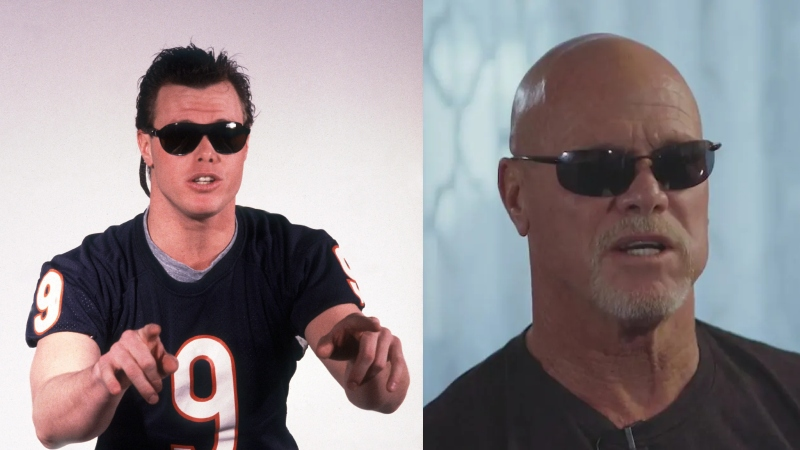
Jim McMahon, the fearless quarterback who led the Chicago Bears to their historic Super Bowl win in 1985, is remembered for his bold style of play, rebellious personality, and unmistakable confidence on the field. From his iconic headbands to clutch performances, McMahon became one of the most recognizable faces of the NFL.
However, life after football has presented a far tougher challenge. Fans often ask a deeply important question: What disease does Jim McMahon have?
McMahon has been diagnosed with early-onset dementia, and he also shows symptoms consistent with chronic traumatic encephalopathy (CTE) and post-concussion syndrome. These conditions are the result of years of repeated head trauma sustained during his NFL career. His journey sheds light on the hidden cost of professional football and highlights the strength required to fight long-term neurological damage.
Early Symptoms and Diagnosis
In 2012, Jim McMahon was officially diagnosed with early-onset dementia. Long before the diagnosis, he experienced troubling symptoms such as memory loss, confusion, severe headaches, mood swings, and disorientation.
There were moments when McMahon would forget familiar names, lose his sense of direction while driving, or call loved ones because he did not know where he was. The headaches were often so intense that he spent weeks resting in dark rooms, unable to tolerate light or noise.
These symptoms align closely with post-concussion syndrome, a condition common among former NFL players. McMahon suffered at least five documented concussions, though experts believe many more went unreported during an era when head injuries were often ignored.
Medical research has since confirmed the seriousness of the issue. A major study revealed that 110 out of 111 former NFL players’ brains showed signs of CTE, reinforcing the risks McMahon and others faced.
The Physical Toll of an NFL Career
McMahon’s health struggles extend far beyond brain trauma. Over his 14-year NFL career, his body endured extreme punishment, including:
- A torn kidney
- Broken ribs
- Multiple knee and ankle surgeries
- A broken neck that initially went undiagnosed
Despite these injuries, McMahon continued to play. In one shocking moment, he returned to the field with a kidney injury so severe that it nearly detached. In another instance, he played again after breaking his neck. These moments illustrate both his toughness and the dangerous expectations placed on players during that era of football.
Mental Health Challenges
The physical damage also took a toll on McMahon’s mental health. He has openly spoken about experiencing dark thoughts and suicidal moments, particularly during periods when pain and confusion felt overwhelming.
The deaths of former players such as Dave Duerson and Andre Waters, who also suffered from brain trauma, deeply affected him. McMahon now speaks openly to raise awareness about mental health struggles among retired athletes and the long-term effects of untreated concussions.
Treatments, Recovery, and Hope
Although there is no cure for dementia or CTE, McMahon has found relief through alternative and innovative treatments that have significantly improved his quality of life.
Upper Cervical Chiropractic Care
Specialists discovered that misalignment in his upper neck was blocking the flow of cerebrospinal fluid. After targeted adjustments, McMahon experienced reduced headaches, improved clarity, and better balance.
Stem Cell Therapy
McMahon also underwent stem cell therapy in Colombia, aimed at repairing neurological damage. While not a cure, the treatment helped improve daily functioning and reduced some symptoms.
Together, these approaches have allowed him to remain active, engaged, and hopeful.
Advocacy for Player Safety
Jim McMahon has become a strong advocate for former NFL players. He has participated in lawsuits against the NFL related to concussion mismanagement and continues to push for better medical care, education, and long-term support for retired athletes.
By sharing his experience, McMahon helps expose the hidden risks of football and encourages leagues to prioritize player safety at all levels.
Life Beyond Football
Despite ongoing health challenges, McMahon continues to live a meaningful and engaged life. Today, he:
- Spends quality time with his grandchildren
- Appears in documentaries and sports media projects
- Supports charities and player advocacy efforts
- Advocates for safer football practices and medical cannabis for pain management
His determination and positive outlook show that even with serious neurological conditions, life can still be purposeful.
Latest Updates
As of recent updates, McMahon continues regular chiropractic care in New York, physical therapy to maintain mobility, and ongoing symptom management. His story has been featured in major sports discussions and is expected to be highlighted in future documentaries, including potential ESPN “30 for 30” projects, focusing on his legacy and health journey.
Key Takeaways
So, what disease does Jim McMahon have?
- Early-onset dementia caused by repeated concussions
- Chronic traumatic encephalopathy (CTE)
- Post-concussion syndrome leading to headaches, memory loss, and mood changes
His experience reflects the long-term risks of professional football and the importance of awareness, treatment, and advocacy.
Reflection
Jim McMahon’s life is a powerful story of success, sacrifice, and resilience. From Super Bowl glory to battling serious brain disease, he has transformed personal struggle into a mission for awareness and change. Understanding what disease Jim McMahon has helps fans recognize the true cost of elite sports and the urgent need to protect athletes’ health.
Even while living with dementia and CTE, McMahon continues to inspire, proving that strength is not only measured on the field but also in how one faces life’s toughest battles. Have questions or feedback? For more updates, contact us anytime.